










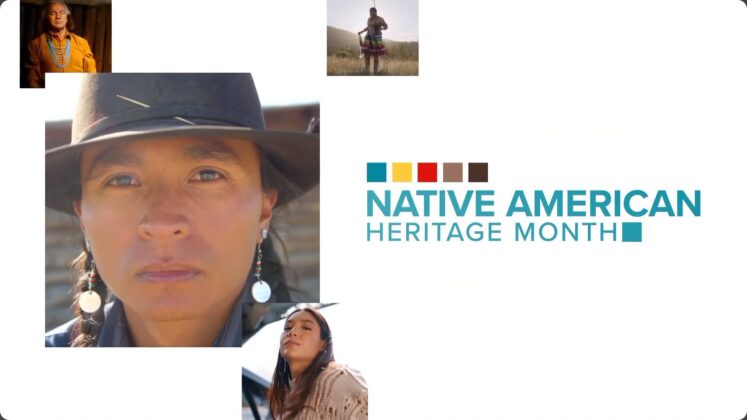
Glenna Wallace Eastern Shawnee is a name tied to a long effort to bring a displaced people back into relationship with their ancestral homeland. Wallace, who led the Eastern Shawnee Tribe of Oklahoma as its first elected female chief, has spent her leadership years reconnecting her tribe with the Ohio lands their ancestors left nearly two centuries ago.
Who Is Glenna Wallace of the Eastern Shawnee?
According to 10TV’s report, Wallace was first elected chief in 2006 and served four consecutive terms, roughly twenty years, before stepping down in September 2026. She is described as the tribe’s first elected female chief. Although she grew up in Oklahoma knowing little about her family’s deeper ancestry, she knew the name of Tecumseh, the Shawnee leader who resisted the spread of the United States onto Native land.
What stayed with her was a prophecy attributed to Tecumseh: that the seventh generation would one day bring the people back to their homeland. That idea has guided much of her public work.
Why Ohio Matters to the Eastern Shawnee
The Eastern Shawnee trace their ancestors to central Ohio, where they lived for centuries. After the Indian Removal Act of 1830, they were forced out of the state by 1832, the first Ohio tribe to be removed, and their numbers fell to about 63 people. Today the tribe is based in Oklahoma, and Wallace has described the work of returning as ongoing, with more still to be done.
Sacred Earthworks and a World Heritage Listing
Ohio holds ceremonial landscapes of deep importance, among them the Newark Earthworks in Licking County, which became a World Heritage site in 2023. Wallace told the reporter that the recognition changed how people see the significance of the place. For readers drawn to sacred geography, it is a useful reminder that earthworks, mounds and enclosures are living cultural places, not just archaeological features.
Why This Matters for the Shamanic Community
Many spiritual traditions are tied to particular rivers, hills and burial grounds. When a people are removed from that land, ceremony, language and memory are all put at risk. Wallace’s story shows what long-term, patient return can look like: relationship rebuilt through visits, public talks and recognition of sacred sites. It is also a prompt for those of us who gather in ceremony to ask whose land we practice on and who has been cared for it before us.
Wallace was scheduled to speak about her work on 13 November at the Hilliard branch of the Columbus Metropolitan Library in Ohio. If you attended or want to follow her work, tell us about it through our Community Listings.
Read the Full Story
Read the original report from 10TV on Yahoo News.
Explore More From Shaman Portal
See more stories in our Shaman News archive, discover a teacher in Shaman of the Month, or return to the Shaman Portal homepage.