












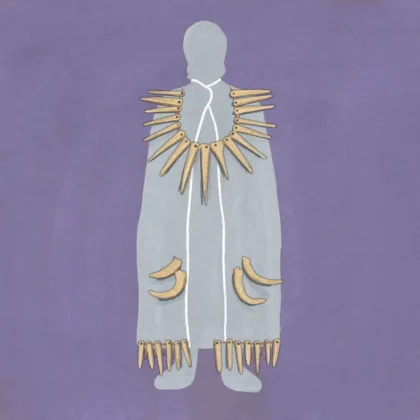
New Upton Lovell Shaman DNA analysis has overturned nearly two centuries of assumptions about one of Bronze Age Britain’s most striking burials — and the discovery raises real questions about the roles women held in ancient craft and ritual life.
Who Was the Upton Lovell Shaman?
The burial, dated to roughly 4,000 years ago, was first excavated in the early 19th century in Wiltshire, England, and quickly stood out for the sheer range of grave goods buried alongside the individual — axes, gold necklaces, and bone points among them. Tom Booth, a senior research fellow at the Francis Crick Institute, noted there are no other comparable burials in terms of the type of grave goods included, which is part of why the individual became known as a “shaman” in archaeological literature.
What the Axes Revealed
The axes buried with the individual bore traces of gold along their edges, leading researchers to conclude this person likely worked with precious metals — possibly copper and bronze as well. Booth noted the tools were buried in a deliberate, special way, reflecting how remarkable this individual was considered within their community.
DNA Analysis Overturns the Male Assumption
For nearly 200 years, the burial was assumed to belong to a man. New DNA analysis instead showed female sex — a result Booth described as requiring real caution given how much established thinking about this skeleton it upends. To confirm the finding, two additional samples were tested and also returned female results. Researchers now believe the individual was likely a woman metallurgist: a craftswoman who held a distinctly high-status position in her community.
A Life in Bronze Age Britain
According to the analysis, the Upton Lovell Shaman was likely taller than average for the period, at approximately 163 centimeters, and died around age 45. Researchers note that postmenopausal skeletal features had previously made sex determination from bone structure alone more difficult — part of why the male assumption went unchallenged for so long.
Why This Discovery Matters
The findings reinforce that metallurgy in Bronze Age Europe likely carried ritual significance alongside its economic role, and that metalworking was deeply integrated into both trade networks and everyday community life. More broadly, the discovery is part of a larger genomic effort: Pontus Skoglund, who heads the Francis Crick Institute’s Ancient Genomics Laboratory, noted that a wider program of sequencing around a thousand ancient individuals is underway, building a public genetic record that will help researchers and the public alike better understand past societies and the people who shaped them.
See the Exhibition
These findings now underpin a new free exhibition, “We Go Way Back,” which opened at the Francis Crick Institute in London — a strong option for UK-based readers interested in seeing the research in person.
Explore More From Shaman Portal
Catch up on this month’s
Selection Shaman of the Month, Selection Book of the Month, Selection Film of the Month,
or browse more Shamanic News.