












As artificial intelligence becomes more embedded in environmental monitoring and governance, a growing body of research is asking a genuinely difficult question at the intersection of Indigenous knowledge and AI ethics: can centuries-old philosophies meaningfully shape how we govern a fast-evolving technology — or does trying to do so risk repeating old patterns of extraction under a new name?
Two Indigenous Philosophies Being Studied for AI Governance
A recent study published in the journal AI and Ethics examined two specific frameworks: the Navajo concept of Hózhó, meaning balance and harmony, and the Māori concept of Kaitiakitanga, or guardianship. Researchers argue these values emphasize collective responsibility and reciprocity in ways that could offer a basis for questioning the environmental costs of large-scale AI models — costs that include the significant water and energy demands of AI data centers.
AI Already Working Alongside Indigenous Communities
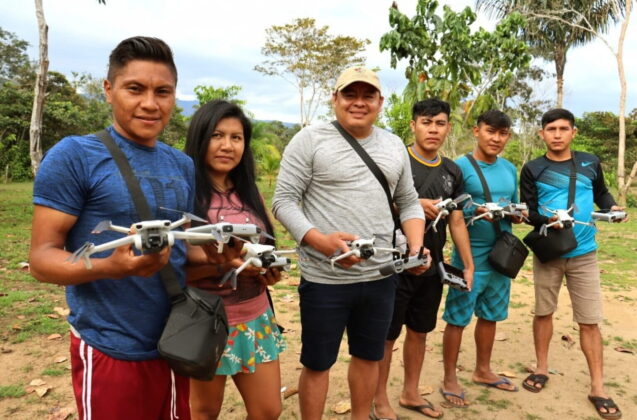
This isn’t purely theoretical. AI tools are already being used in direct partnership with Indigenous communities — tracking illegal gold mining in the Amazon and helping identify the causes of deforestation in the Congo Basin and Indonesia. At the same time, AI infrastructure itself has sparked real friction: Indigenous-led resistance recently halted construction of a Google AI data center in Chile over concerns about drought and water resources, viewing natural resources as central to a way of being rather than as commodities to extract.
A Warning About “Digital Colonialism”
Not every expert in this space is convinced the academic framing is the right approach. Karaitiana Taiuru, an independent expert in Indigenous data sovereignty who consults on AI projects in Māori contexts, cautioned that non-Indigenous researchers folding Indigenous values into academic frameworks can itself constitute a form of digital colonialism. His concern is specific: reducing distinct, culturally grounded systems like Hózhó and Kaitiakitanga into a single generic category of “Indigenous knowledge systems” strips away the very specificity that gives them meaning in the first place.
Skepticism From Within Indigenous Communities
That skepticism extends beyond the academic framing question. Navajo environmental activist Nicole Horseherder questioned whether thousands of years of human observation and lived relationship with land can be genuinely translated into an evolving technology at all. While she acknowledged AI’s impressive learning capabilities, she was clear that it could, at best, provide information about Indigenous communities — not stand in as an extension of Indigenous existence itself.
The Real Ask: Participation, Not Just Representation
Despite these tensions, Taiuru’s broader point wasn’t to reject Indigenous involvement in AI governance — quite the opposite. His argument was that meaningful Indigenous participation in how AI systems are actually designed and deployed is essential, rather than Indigenous values simply being referenced or represented within frameworks built by others. It’s a distinction with real stakes for anyone thinking seriously about how emerging technologies intersect with traditional and spiritual knowledge systems.
Explore More From Shaman Portal
Catch up on this month’s
Selection Shaman of the Month, Selection Book of the Month, Selection Film of the Month,
or browse more Shamanic News.