












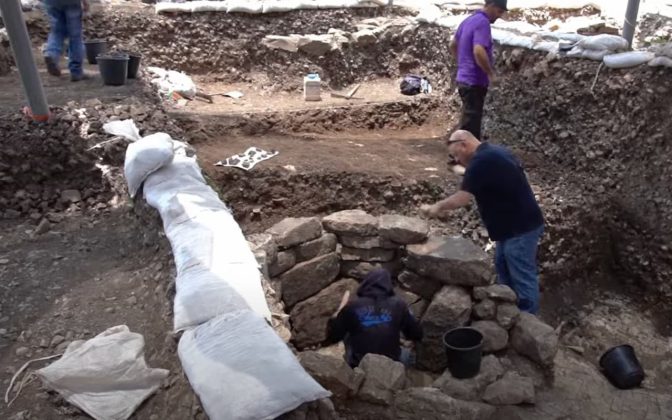
A recent study published in the journal ‘Atiqot has revealed the discovery of an exceptional tomb at the Motza archaeological site in the hills of Jerusalem. The burial, dated to the Pre-Pottery Neolithic B period, contained the remains of a woman who may have played a spiritual or shamanic role in her community.
What stands out the most is that the woman had six fingers on her left hand, a characteristic that, in ancient cultures, was often interpreted as a sign of distinction and spiritual power.
The authors of the study, Drs. Hamoudi Khalaily, Ianir Milevski, and Anna Eirich-Rose, who led the excavations for the Israel Antiquities Authority, explain that the anatomical analysis of the remains indicates that the woman was over 15 years old at the time of her death.
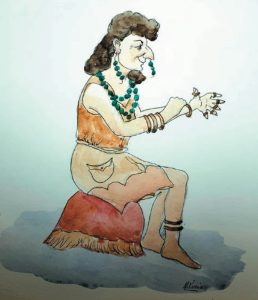
The funerary objects found alongside her reinforce the hypothesis of her importance within Neolithic society. These include green stone necklaces and mother-of-pearl jewelry, elements that may have been associated with spiritual figures such as shamans or sorceresses, who were known to lead ceremonies and community rituals.
The excavations at Motza, carried out between 2018 and 2020, have uncovered one of the largest concentrations of Pre-Pottery Neolithic B settlements in the region. These investigations, conducted before the construction of Highway 16—the third access route to Jerusalem from the west—have provided a better understanding of the lives and spiritual beliefs of ancient communities.
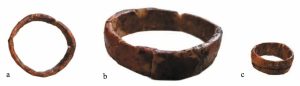
Numerous burials within homes have been discovered, beneath floors and next to the walls of buildings. Most individuals were buried with ornaments such as stone bracelets, pendants, and beads made from exotic materials like alabaster and green stones. According to researchers, the stone bracelets found in some graves were linked to rites of transition between life and death.
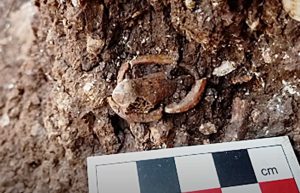
It is believed that children wore them until they reached puberty and that, upon reaching a certain age, they participated in an initiation ceremony similar to modern rites of passage, such as the Bar and Bat Mitzvah in Jewish tradition. Those who died before maturity were buried with their bracelets, which have been found intact on their arms.
The Neolithic period marked a turning point in human history. It was during this era that human groups abandoned nomadism, established large settlements, and developed new technologies, including the domestication of plants and animals. These innovations not only transformed their economy but also their belief systems and rituals.
Researchers suggest that rituals were conducted in public buildings designated for this purpose and that many of these had a strong connection to water. In each of the excavated buildings, plastered installations for water collection were found, or they were located near natural water sources. These findings reinforce the idea that water played a crucial role in religious ceremonies and the social organization of these Neolithic groups.
Eli Escusido, director of the Israel Antiquities Authority, emphasized the importance of the discovery: The discovery of the ancient shaman’s tomb in Motza opens a window into the spiritual world of communities that lived approximately 10,000 years ago. These remains show how complex and rich the cultural beliefs of ancient humanity were. Through personal objects such as jewelry and ritual artifacts, we can learn about the belief systems, social classes, and community roles of the time.