









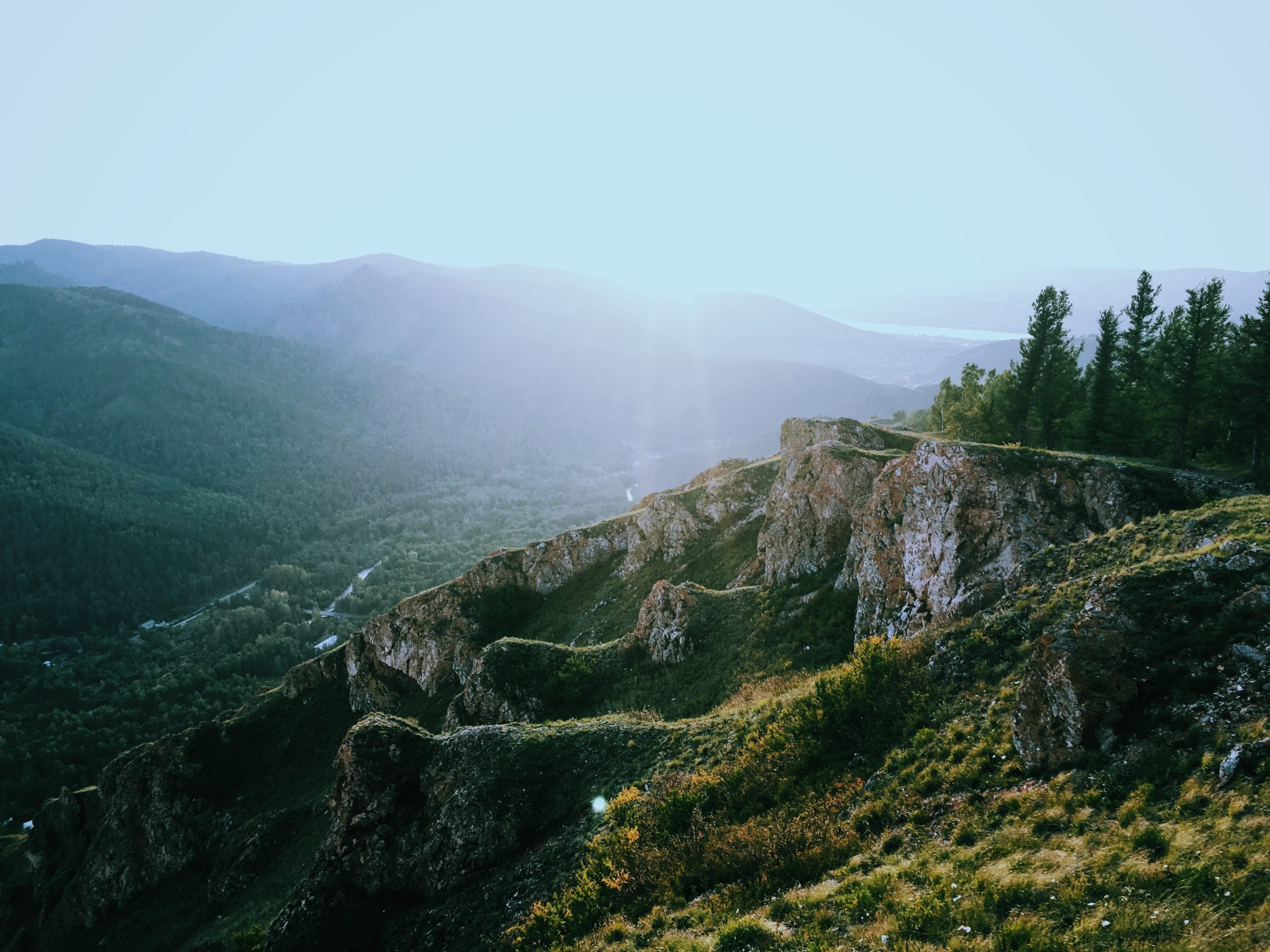
Later, some of the practices developed by shamans in southern Siberia migrated to China, where they were transformed into healing systems – like acupuncture and acupressure, and Chi Kung, which eventually became familiar to people in the West.
In the meantime, Siberian shamans continued in their own way, acting as all-around healers for their local, often nomadic communities and doing other things like clearing homes of negative energies and assisting the souls of the dead in moving on. In many ways, they were the original doctors, the ones any sick person went to for help in the nomadic families, which comprised most people living way back in Siberia.
In the Soviet era, shamans were forced underground, often in pain of death, but their work continued – in secret.
In the early 1990s, shamanism went public again in Siberia.
As these places – some previously banned to foreigners – opened up, a few Westerners came across this original version of shamanism.
Some of these visitors found that underneath everything, many of the practices were simple and also applied to the needs of people in the West.
Siberian shamanic healing works by taking out bad energy and putting in good energy. Stress, fatigue, emotional setbacks, and back and joint problems are particularly suitable for this therapy. But Siberian shamans are trained to deal with an impressive range of conditions.
The shaman will drum for a short time and examine the state of energies in the client. He or she – there are many female shamans in this tradition – will manipulate these energies. They may give the client exercises to do.